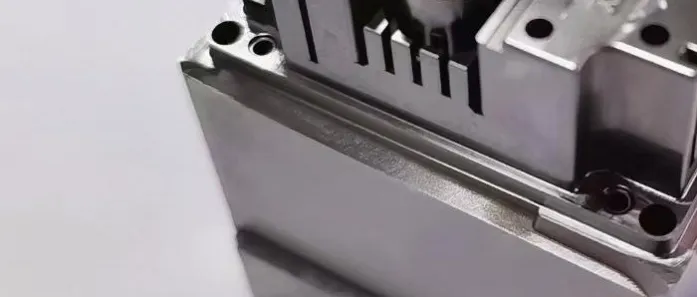
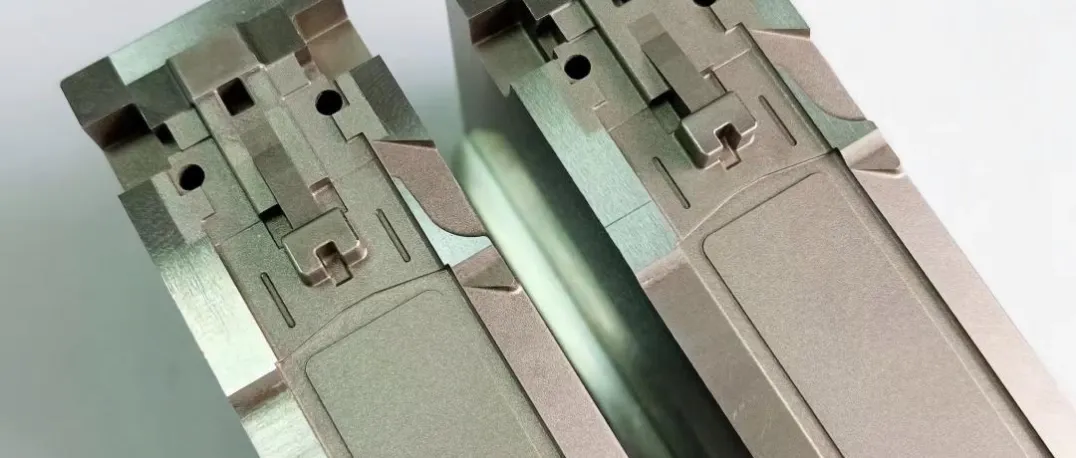
From Drawing to Insert
Mold Insert Steel Grades We Machine: STAVAX, H13, D2, SKD11 and More
The steel grades that turn up often on the drawings we receive — STAVAX, HPM31, PD613 and XW-10 for injection molds, D2, DC53, SKH51, ASP23 and carbide for stamping dies, H13, SKD61 for die-casting.
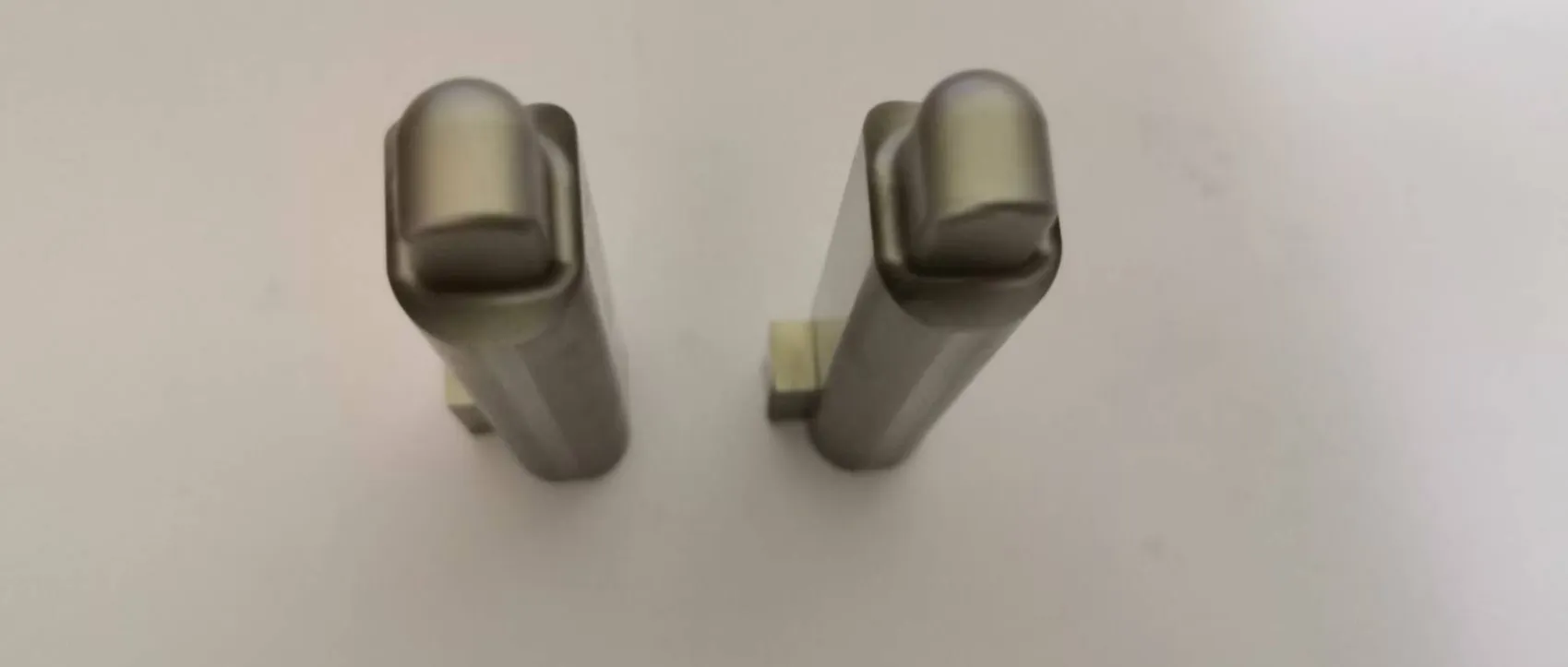
The steel grade is decided before we see anything. It is written on your drawing, next to the dimensions and the tolerances, and our job is to machine that grade — not to suggest a different one. This page lists the grades that turn up most often on the drawings we receive, grouped by the kind of mold the mold insert belongs to.
Injection mold inserts
STAVAX is the grade we see most on injection work. It is a stainless mold steel: the cavity surface can be polished, and the steel does not rust while the mold is stored between production runs.
P20 — 1.2738, or 1.2311 — is the general-use grade on injection drawings. NAK80 turns up where the cavity needs a clean polished finish.
Two grades that turn up again and again on drawings from our Japanese customers are HPM31 and PD613. Both are mold steels made for injection work, and both machine and grind well in our workshop.
Stamping die inserts
A stamping insert lives on its cutting edges, so the grades here are cold-work and high-speed steels chosen for wear resistance.
D2 — 1.2379 in the German numbering, SKD11 in the Japanese — is the standard choice for cutting edges and forming faces. DC53 is picked when an edge needs more toughness than D2 gives. SKH51, the M2 high-speed steel, and ASP23, a powder high-speed steel, go on